
Primary education is the foundation
of a nation's educational system and the key to sustainable national
development. In Bangladesh, primary education plays a vital role in developing
knowledgeable, skilled, responsible, and ethical citizens. It equips children
with basic literacy, numeracy, communication skills, moral values, and social
awareness, enabling them to contribute effectively to society and the economy.
Since independence, Bangladesh has made remarkable progress in expanding access
to primary education. The government has introduced free primary education,
distributed free textbooks, provided stipends for disadvantaged students,
expanded school infrastructure, recruited teachers, and implemented various
development projects to increase enrollment and reduce dropout rates. As a
result, the literacy rate has improved significantly, and millions of children
now have access to schooling. Despite these achievements, the primary education
sector continues to face numerous challenges that hinder the quality and
effectiveness of education.
One of the major problems is the
unequal quality of education between urban and rural areas. While many urban
schools have comparatively better facilities, trained teachers, and access to
technology, rural schools often suffer from inadequate classrooms, insufficient
teaching materials, and limited access to digital resources. Another
significant challenge is the shortage of qualified and professionally trained
teachers. Many teachers require continuous professional development to adopt
modern teaching methods that encourage creativity, critical thinking, and
problem-solving skills. Large class sizes in many government primary schools
also reduce the effectiveness of classroom instruction, making it difficult for
teachers to provide individual attention to students.
Student dropout remains another
serious concern, especially among children from poor and marginalized families.
Poverty often forces children to engage in child labor or household
responsibilities instead of attending school regularly. Although government
stipend programs have helped reduce dropout rates, financial hardship continues
to affect educational continuity for many families. Additionally, irregular
attendance, early marriage in some communities, and lack of parental awareness
further contribute to students leaving school before completing primary
education.
The quality of learning outcomes is
another issue. In many cases, student’s complete primary education without
achieving satisfactory competency in reading, writing, and mathematics.
Traditional teaching methods often emphasize rote memorization rather than
conceptual understanding, creativity, and analytical thinking. Limited
classroom interaction and inadequate assessment methods sometimes fail to
identify learning gaps at an early stage. Furthermore, insufficient
availability of science equipment, libraries, and educational resources
restricts students' opportunities for practical learning and intellectual
development.
Infrastructure deficiencies also
affect the learning environment. Although significant improvements have been
made, some schools still lack adequate classrooms, safe drinking water,
sanitation facilities, electricity, playgrounds, and disability-friendly
infrastructure. During natural disasters such as floods and cyclones, many
schools become inaccessible or temporarily unusable, disrupting students'
education. Climate change poses an additional challenge for maintaining
uninterrupted education in vulnerable regions of Bangladesh.
Digital inequality has become
increasingly important in recent years. The COVID-19 pandemic demonstrated that
many students lacked access to smartphones, computers, internet connectivity,
and digital learning platforms. As a result, a considerable number of children
experienced learning loss. Although digital education initiatives have
expanded, equal access to educational technology remains a challenge,
particularly in remote and economically disadvantaged areas. Inclusive
education is another area requiring greater attention. Children with
disabilities, ethnic minority communities, street children, and children living
in remote regions often face barriers in accessing quality primary education.
Limited specialized teaching materials, insufficient teacher training for
inclusive education, and inadequate physical accessibility continue to affect
equal educational opportunities.
To address these challenges,
Bangladesh needs a comprehensive and long-term strategy. Improving teacher
quality should be a top priority through regular professional training,
performance evaluation, career development opportunities, and motivation. Teachers
should be equipped with modern pedagogical skills that promote interactive,
student-centered, and competency-based learning. Reducing teacher shortages and
maintaining an appropriate teacher-student ratio would significantly improve
classroom effectiveness.
Greater investment in school
infrastructure is equally important. Every primary school should have safe
classrooms, modern teaching equipment, science corners, libraries, clean
sanitation facilities, safe drinking water, electricity, internet connectivity,
and playgrounds. Schools should also be designed to be climate-resilient and
accessible for children with disabilities. Strengthening curriculum and
assessment systems is essential for improving learning outcomes. The curriculum
should focus on developing critical thinking, creativity, communication skills,
digital literacy, environmental awareness, health education, moral values, and
problem-solving abilities alongside basic literacy and numeracy. Continuous
assessment methods should replace excessive dependence on traditional
examinations to better monitor students' overall development.
Technology can play a transformative
role in the future of primary education. Expanding digital classrooms, smart
learning platforms, educational television programs, online teacher training,
and digital learning resources can help bridge educational gaps. However,
digital transformation must ensure equal access for all students regardless of
geographical location or economic background.
Community participation should also
be strengthened. Parents, local governments, school management committees,
non-governmental organizations, and private sector partners can work together
to improve school attendance, reduce dropout rates, monitor educational
quality, and create child-friendly learning environments. Public awareness
campaigns should emphasize the long-term value of education, especially for
girls and disadvantaged children.
The future perspective of primary
education in Bangladesh is promising if appropriate reforms are effectively
implemented. The country's commitment to achieving the Sustainable Development
Goals (SDG 4), which aims to ensure inclusive and equitable quality education
for all, provides a strong framework for educational development. With
continued government commitment, increased investment, technological
innovation, effective policy implementation, and strong community engagement,
Bangladesh can build a modern primary education system that prepares children
for the challenges of the twenty-first century.
In conclusion, primary education
remains the cornerstone of Bangladesh's national development. While substantial
progress has been achieved in expanding educational access, significant
challenges related to quality, equity, infrastructure, teacher development,
technology, and learning outcomes still require urgent attention. Through
coordinated efforts by the government, educators, parents, communities,
development partners, and society as a whole, Bangladesh can overcome these
obstacles. A strong, inclusive, innovative, and high-quality primary education
system will not only improve individual lives but also strengthen the country's
economic growth, social harmony, democratic values, and global competitiveness
for generations to come.
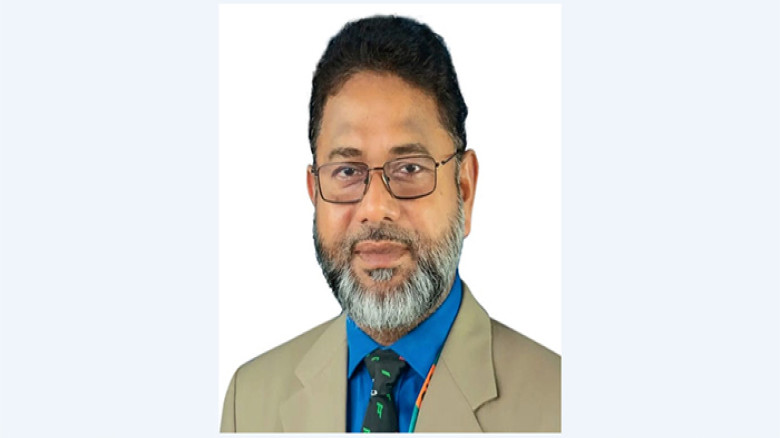
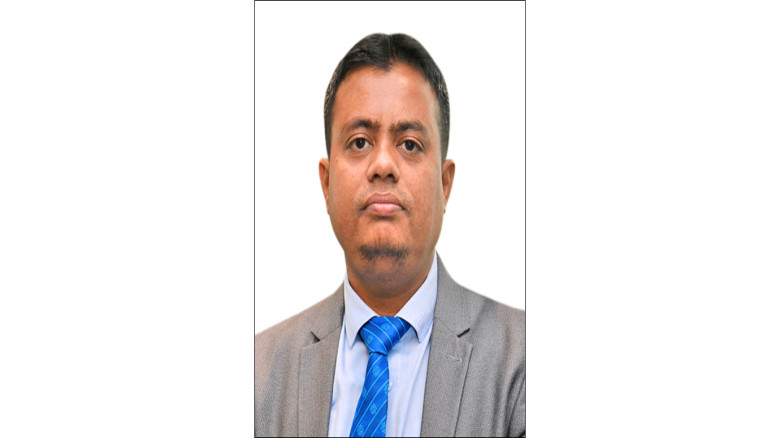
Nazrul Islam
Islami Banker
Deputy Public Relations Officer, SJIBL.