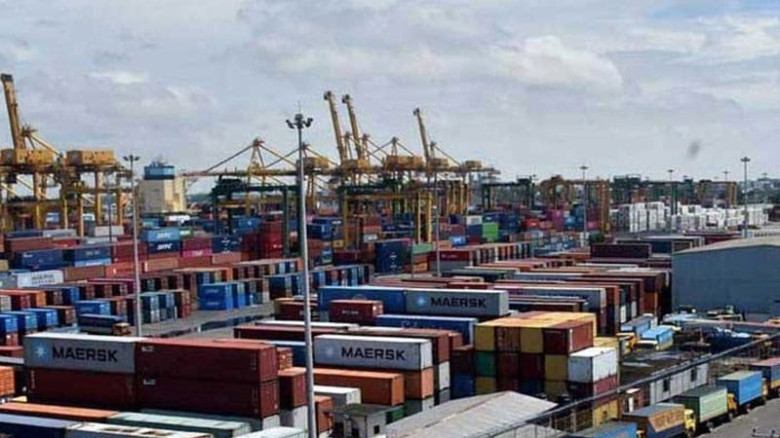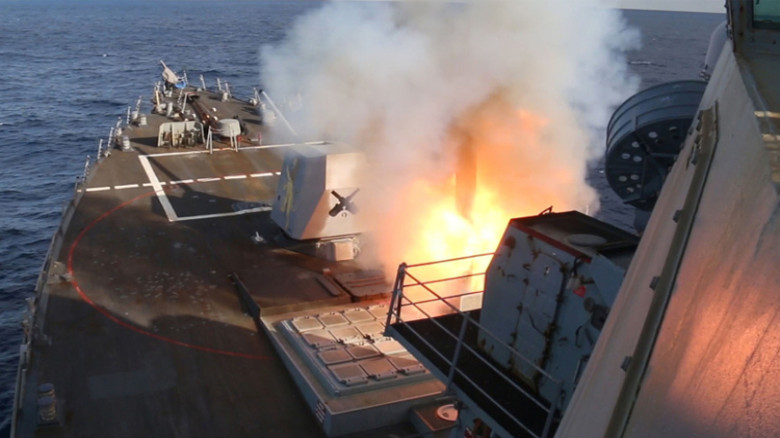


The driving force behind both historical wars and many of today's global conflicts has always been the pursuit of dominance. Throughout history, major powers expanded their influence primarily through military force. However, in the twenty-first century, the instruments of hegemony have evolved with modernization. Today, beyond military superiority, control over economic and commercial sectors has become one of the most effective means of asserting global influence. Economic warfare has emerged as one of the most widely used and accepted strategies in international politics. The primary objective of powerful states is often to weaken their rivals economically. To achieve this, they impose import restrictions, technological embargoes, financial sanctions, and investment prohibitions, all designed to isolate and pressure the targeted country economically. Such economic restrictions serve as a sophisticated tool of diplomatic coercion. Sanctions refer to the economic, commercial, or financial restrictions imposed by one or more countries on another in an effort to alter its policies or behavior. Superpowers frequently employ sanctions to safeguard their strategic interests and commercial advantages. Beyond exerting political pressure, sanctions are also used to deter aggression or military expansion by powerful states. Conversely, when the targeted country responds with retaliatory economic or commercial measures, such actions are known as counter-sanctions. In other words, counter-sanctions are reciprocal measures adopted in response to imposed restrictions. However, when conflicts among major powers persist for prolonged periods, their consequences inevitably extend far beyond the directly involved parties. The impact becomes particularly severe for developing nations. As sanctions and counter-sanctions intensify, countries that are not directly engaged in the conflict nevertheless experience significant economic hardship. A recent example is the geopolitical tension involving Iran, Israel, and the United States, which disrupted global energy markets for an extended period. Strict sanctions contributed to higher energy prices and interrupted global supply chains. Consequently, many developing countries faced soaring inflation and acute energy shortages. In essence, while powerful nations pursue their strategic interests through geopolitical confrontation, it is the weaker economies that ultimately bear the greatest cost. Sanctions and counter-sanctions have become among the most influential instruments in the contemporary competition for global power. They represent powerful mechanisms of economic coercion. As major powers remain locked in confrontation, the Third World often becomes the greatest casualty. Developing and least-developed countries suffer prolonged uncertainty, economic instability, and declining growth prospects. Their aspirations for sustainable development gradually fade amid the turbulence created by global power politics. Bangladesh, as a lower-middle-income developing nation, is no exception. The country remains vulnerable to the economic shocks generated by international conflicts and sanctions. Therefore, Bangladesh must strengthen its geopolitical positioning and deepen its diplomatic engagement with the international community. Maintaining strategic balance and promoting economic diplomacy are essential for ensuring sustainable national development. To achieve this, Bangladesh must undertake effective reforms across several key sectors. Reducing dependence on imports while diversifying export markets should become national priorities. The country must also foster stronger regional economic partnerships built on mutual trust and cooperation. Furthermore, structural reforms are necessary to reduce dependence on imported food and energy resources, thereby enhancing national self-reliance. Special attention should be given to developing sectors such as pharmaceuticals, leather goods, information technology, shipbuilding, and agro-processed products. Strengthening these industries would contribute to building a resilient and diversified economy over the long term. Additionally, foreign exchange reserves serve as a nation's financial shield during times of global crisis. Therefore, the government must prioritize strengthening reserve capacity, which is indispensable for enhancing economic resilience against external shocks. The global order is dynamic and continuously evolving. In the coming years, both the effectiveness and consequences of sanctions and counter-sanctions may undergo significant transformation. Within an increasingly multipolar world, economic warfare has become a decisive instrument for advancing geopolitical interests. Long-term sanctions are frequently used by major powers to reinforce their global influence and economic dominance. Consequently, developing countries must pursue diversified trade partnerships and establish alternative economic arrangements to safeguard stability. Above all, prudent diplomacy remains essential for maintaining balance in trade, investment, and international economic relations. Sanctions are widely recognized under international law and diplomacy as legitimate instruments of statecraft. However, in today's geopolitical environment, they are increasingly exploited as tools of power politics and economic domination. The rivalry among major powers generates waves of instability that reverberate throughout the global economy. Compared with direct military confrontation, sanctions are often perceived as a more acceptable and less violent alternative. Nevertheless, although the concept of sanctions is not new, their structure, implementation, and long-term consequences continue to evolve. Over time, they have become one of the most effective means of exercising international influence. History offers numerous examples of severe economic devastation experienced by developing countries as a result of prolonged sanctions. The growing use of these measures has intensified concerns regarding the future of the international order and global geopolitical stability. Therefore, it is imperative for major powers to exercise greater restraint and responsibility in applying sanctions and pursuing strategic objectives. After all, the silent victims of global power competition are the economies of the developing world. History demonstrates that while the methods of exercising power and expanding influence continue to change, one reality remains constant: developing nations repeatedly face new obstacles created by the ambitions of stronger states. To overcome these persistent challenges, the world's major powers must move beyond confrontational competition and embrace cooperative engagement. Genuine regional cooperation, grounded in mutual respect and shared responsibility, can foster sustainable global development. Ultimately, humane and just diplomacy, together with a political order founded on trust and respect, will provide the strongest foundation for lasting global peace and stability.