
The Bangladesh University Grants Commission (UGC) has brought major changes to ensure transparency, impartiality and accountability in the evaluation of research project proposals, a press release said.
Necessary changes have been made at every stage of proposal preparation, submission and evaluation in the research sub-project selection process of the second phase of the Higher Education Acceleration and Transformation (HIT) project.
Under the new system, the proposals submitted for research funding are being evaluated through a special code, keeping the identity of the applicant researcher and the concerned institution confidential. Strict instructions have also been given so that the identity of the researcher or institution is not revealed in any way during the evaluation. At the same time, the final reviewer has been selected through a lottery from a panel of potential reviewers. As a result, the UGC believes that there will be no scope for personal identity, institutional influence or any kind of lobbying.
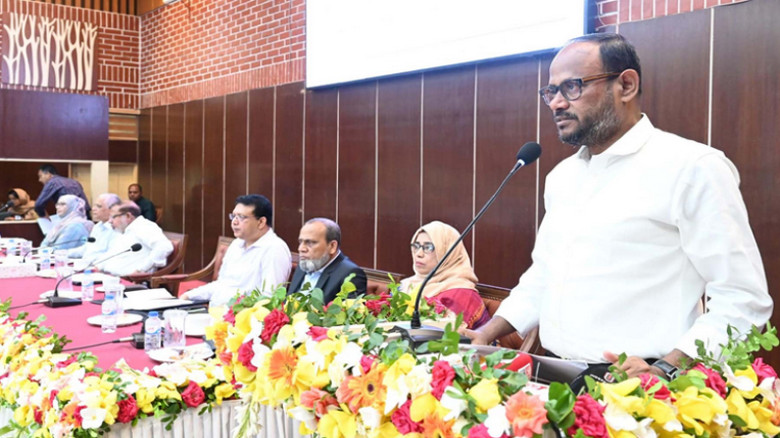
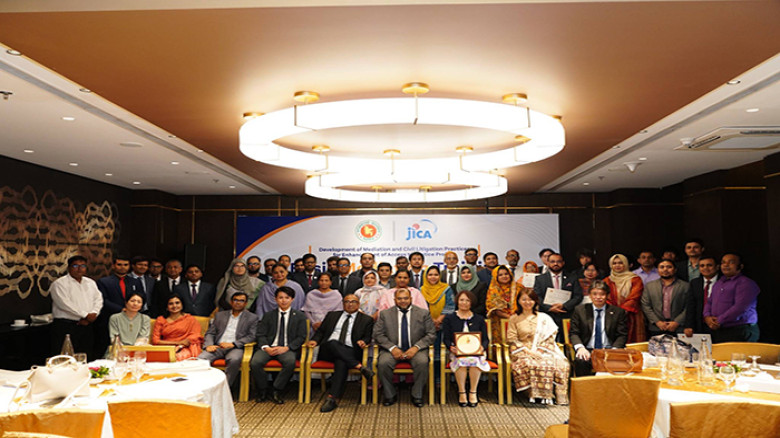
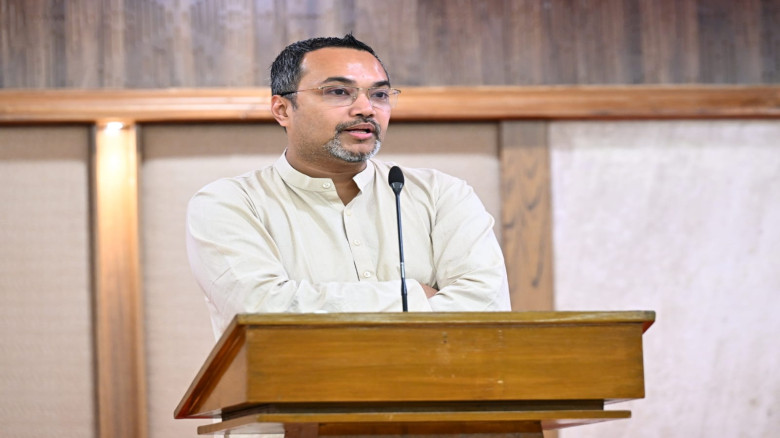
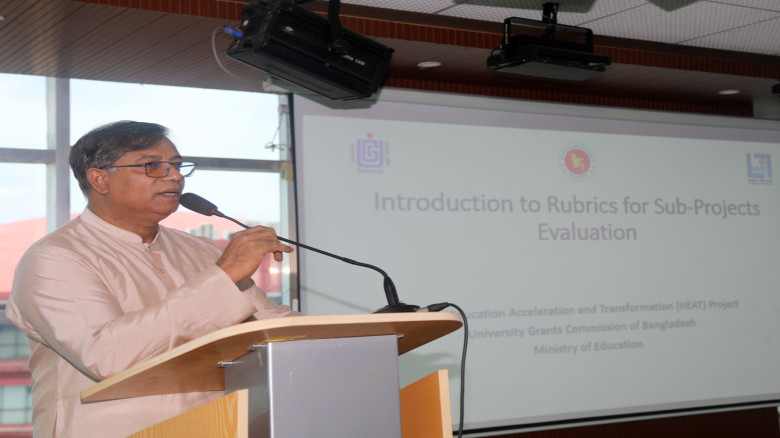
UGC Chairman Professor Dr. Mamun Ahmed gave this information while speaking as the chief guest at a workshop titled ‘Introduction to Sub-Project Evaluation’ organized under the HIT project at the Bangladesh Science Academy in the capital on Friday (August 7, 2026).
The UGC Chairman said that some negative ideas were created later regarding the selection of sub-projects in the first phase of the HIT project. Although there is a considerable difference between that idea and the reality, the UGC does not want any negative idea to be created in the researcher and teaching community about the selection of sub-projects. That is why special emphasis has been given to ensuring transparency and impartiality in the second phase of the evaluation process.
Professor Mamun Ahmed said, “We want to find real researchers. In project selection, the main consideration will be the quality, novelty and potential impact of the research, not personal identity.”
He said that a list of potential reviewers has been prepared from three sources to evaluate the research proposal. The initial reviewer panel is formed with experts proposed by the applicants, researchers who expressed interest through Google form, and experts in the relevant subject from various university websites. Later, a high-level committee selected the final panel after examining the publications, research experience and capabilities of the researchers concerned.
The UGC Chairman further said that each research proposal has been given a unique code. Although six to eight potential reviewers are kept for each project, two of them have been selected as the final reviewers through a lottery. No reviewer will be able to know which research proposal is going to him before the scheduled time of evaluation.
“Through this, we want to keep the evaluation process as free as possible from external influences, personal contacts and bias,” said Professor Mamun Ahmed.
Professor Mamun Ahmed said that to bring about a positive change in the research culture, it is not only necessary to increase funding for research; the process of determining eligibility and evaluating proposals in terms of funding must also be made credible. A transparent and competitive evaluation system will play an important role in gaining the trust of researchers and creating an international standard research environment.
He further said that the 180 research projects that received funding last year are being monitored regularly. If any project shows evidence of irregularities, misuse of funds or failure to achieve the set goals, necessary action will be taken against the concerned parties in addition to stopping the funding.
According to the UGC Chairman, if the research funds of HIT and ICSTEP projects are used properly, effectively and responsibly, the country’s research capacity will be further strengthened. At the same time, it will be possible to build a strong and trust-based research culture by eliminating the prevailing negative perception about the research management of universities.
UGC members Professor Dr. Machuma Habib, Professor Dr. Md. Aslam Hossain, Professor Dr. Niaz Ahmed Chowdhury and HIT project director Dr. Asaduzzaman along with relevant officials of UGC and HIT projects were present at the workshop.