
After 28 days of action in the FIFA World Cup, the tournament has reached the quarter-finals. But the debate over Argentina’s dramatic 3-2 victory against Egypt in the round of 16 continues to dominate football discussions.
Egypt head coach Hossam Hassan and forward Mostafa Zico strongly criticised the refereeing after the match, claiming Argentina received unfair decisions. They also alleged the match had been influenced in Argentina's favour.
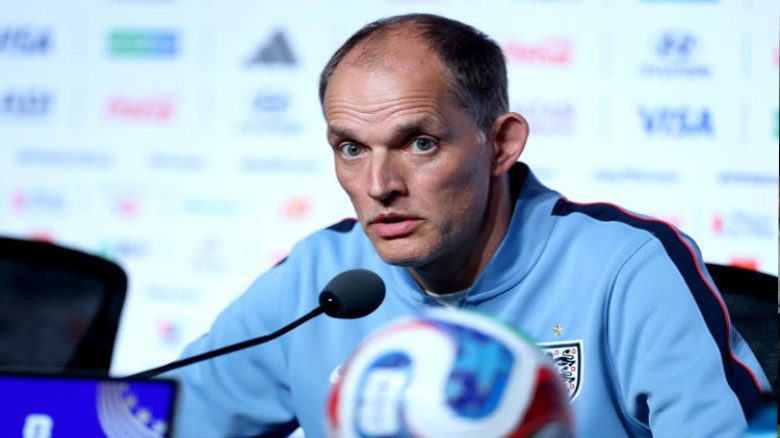
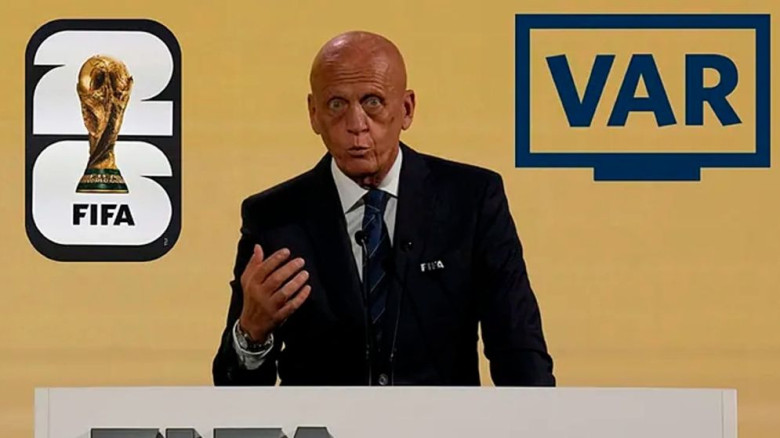
FIFA, however, has firmly rejected those claims. Speaking in an interview published by FIFA, the organisation's chief refereeing officer, Pierluigi Collina, said every major decision in the match was reviewed and the referee applied the Laws of the Game correctly.
The biggest controversy came in the 58th minute when Egypt scored through Mostafa Zico. After a VAR review, the goal was ruled out because an Egyptian player had fouled Argentina defender Lisandro Martínez earlier in the attacking move.
Argentina later scored the winning goal in stoppage time through Enzo Fernández. Egypt argued that Mohamed Salah had been fouled by Julián Álvarez before the attack, but the referee allowed play to continue and VAR did not recommend a review.
Collina explained that VAR automatically checks the entire attacking phase before every goal. If a foul is found that directly affects the goal, the referee is advised to review the incident.
He said there is no time or distance limit for such reviews. Even if a foul happens well before a goal is scored, it can still lead to the goal being disallowed if it has a direct impact on the attack.
Regarding Argentina's winning goal, Collina said both the referee and the VAR officials judged the contact between Salah and Álvarez as normal football contact rather than a foul.
He also urged fans and teams to avoid making baseless accusations against match officials.
"Constructive discussion about refereeing decisions is part of football, but questioning the integrity of referees without evidence has no place in the game," Collina said. He warned that such accusations can put referees and their families at risk.
Collina also dismissed suggestions that FIFA officials influence refereeing decisions, saying the refereeing department operates independently and that match officials make their decisions honestly and professionally.