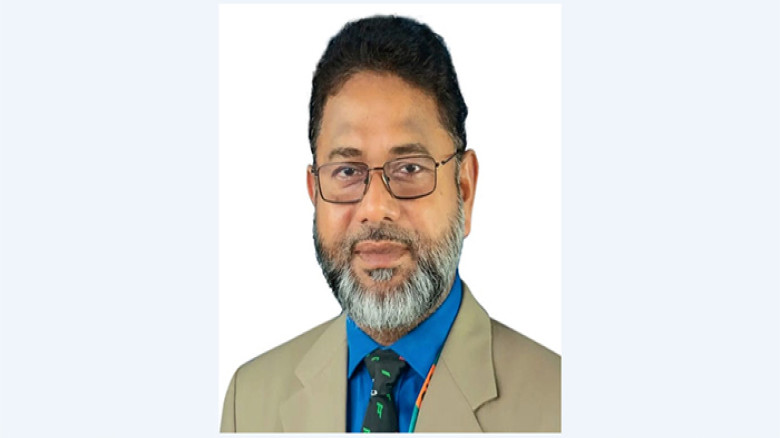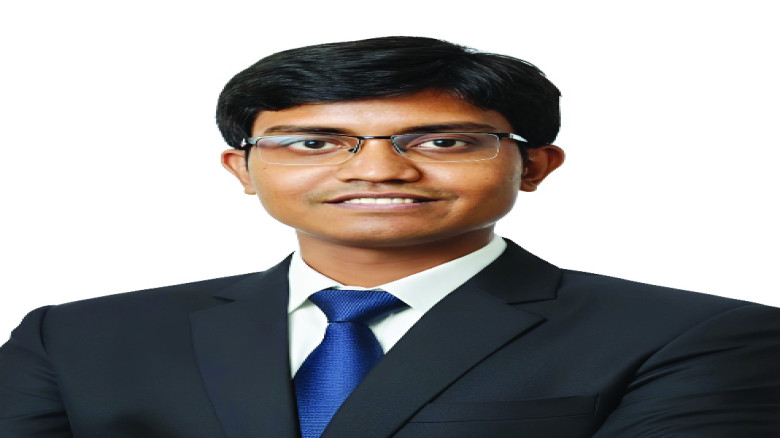
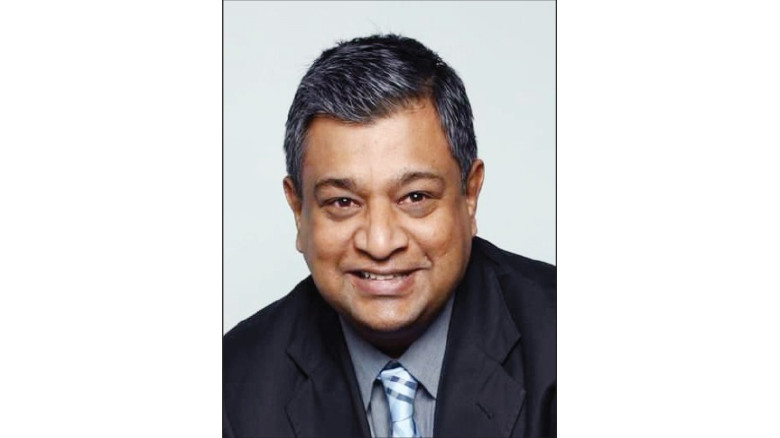

Daily Capital Views (DCV) took an interview of Ferdous
Ahmed, vice president of Bangladesh Business Chamber of Canada (BBCC), in an
interview with Imtiaz Ahmed and Samia Tabassum said that Canada looks forward
to maintaining constructive, respectful, and mutually beneficial relations with
the Government of Bangladesh. Bangladesh and Canada have long-standing
people-to-people, trade, development, and education ties.
Our expectation is that the new government will
continue to strengthen democracy, rule of law, human rights, good governance,
press freedom, and an open investment climate. These areas are important for
Bangladesh’s international reputation and for attracting more foreign investment.,
said Ferdous Ahmed
Bangladesh Business Chamber of Canada (BBCC) is
a dynamic bilateral chamber representing the Bangladeshi-Canadian business
community and fostering economic cooperation between Bangladesh and Canada.
Since its establishment in 2013, BBCC has
remained committed to supporting the entrepreneurial and professional
aspirations of the Bangladeshi diaspora in Canada while promoting bilateral
trade, investment, innovation, and cultural exchange between our two nations.
Through strategic networking, business
advocacy, educational initiatives, and collaborative partnerships, BBCC
continues to strengthen economic ties and create opportunities for businesses
and professionals in both Canada and Bangladesh.
The rest part of the interview is given below :
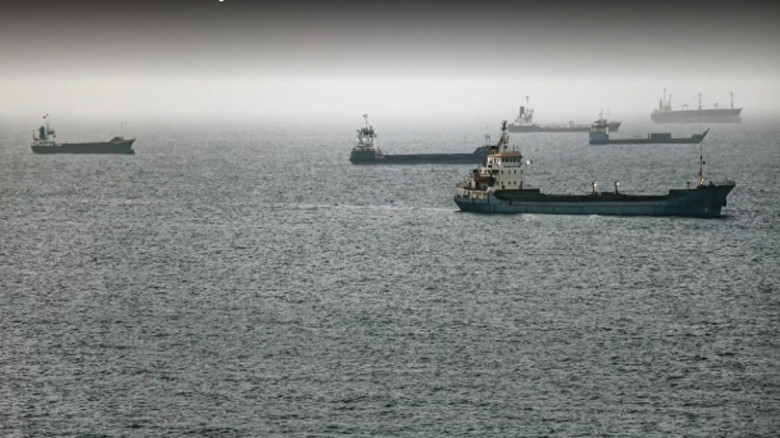
DCV-How do you see the impact of the Middle
East war and rising oil/LNG prices on Bangladesh?
Ferdous Ahmed:
Bangladesh, like many energy-importing
countries, is vulnerable to global oil and LNG price shocks. Rising energy
prices increase the cost of power generation, transportation, production, and
food distribution. This can create inflationary pressure and affect ordinary
people, businesses, and government budgets.
Canada believes stability in the Middle East
and secure global energy markets are important for the world economy. For
Bangladesh, the long-term solution is energy diversification, renewable energy,
energy efficiency, and investment in reliable infrastructure.
DCV-BNP Chairperson Mr. Tarique Rahman is the
new Prime Minister of Bangladesh. How do you see Canada’s relations with the
new government? What are your expectations?
Ferdous Ahmed:
Canada looks forward to maintaining
constructive, respectful, and mutually beneficial relations with the Government
of Bangladesh. Bangladesh and Canada have long-standing people-to-people,
trade, development, and education ties.
Our expectation is that the new government will
continue to strengthen democracy, rule of law, human rights, good governance,
press freedom, and an open investment climate. These areas are important for
Bangladesh’s international reputation and for attracting more foreign
investment.
DCV-Do you see more Canadian investment in
Bangladesh, particularly in power and energy? How do you evaluate Bangladesh’s
investment climate?
Ferdous Ahmed:
There is certainly potential for more Canadian
investment in Bangladesh, including in energy, power, infrastructure,
agriculture, education, technology, and clean energy. Canada–Bangladesh
bilateral merchandise trade was over $3.5 billion in 2025, showing that the
relationship already has a strong commercial foundation.
However, investors look for policy stability,
transparency, contract enforcement, easy profit repatriation, less bureaucracy,
and predictable taxation. If Bangladesh improves these areas, Canadian
companies will have greater confidence to invest.
DCV-Bangladesh needs massive investment in
energy and power. Can Canadian companies invest?
Ferdous Ahmed:Yes, Canadian companies can play
an important role, especially in clean energy, LNG infrastructure, grid
modernization, hydro technology, solar, wind, energy storage, and engineering
services. Canada has strong expertise in responsible resource development and
clean technology.
Bangladesh should create bankable projects,
transparent tender processes, and long-term policy certainty to attract
Canadian investors.
DCV-Bangladesh–Canada bilateral trade is around
US$3 billion. What should be the target for the next five years?
Ferdous Ahmed:
A realistic target should be to raise bilateral
trade to US$6 billion within five years, and with strong effort, it can go even
higher. The focus should be on diversifying trade beyond garments and beyond
Canada’s traditional exports such as pulses, cereals, and potash. In 2025 over
90% of Canada’s imports from Bangladesh came from ready-made garments.
DCV-.How many Bangladeshis live in Canada, and
how does Canada evaluate their contribution? What is Canada’s immigration
policy now?
Ferdous Ahmed:
The Bangladeshi community in Canada is
estimated at around 200000 or more, with a strong presence in Toronto,
Montreal, Calgary, Vancouver, Ottawa, and other cities. They contribute
significantly as professionals, entrepreneurs, students, workers, public
servants, and community leaders.
Canada’s immigration policy continues to
support skilled immigration, family reunification, and humanitarian
commitments, but the government is also managing immigration levels more
carefully to balance housing, healthcare, and infrastructure capacity. Canada’s
2026–2028 plan targets around 380,000 permanent residents per year. (Canada)
DCV-Can Canada recruit more skilled Bangladeshi
workers, especially doctors, engineers, and nurses?
Ferdous Ahmed:
Yes, there is opportunity, especially in
healthcare, engineering, skilled trades, IT, and caregiving. However,
professional licensing is very important in Canada. Doctors, nurses, and
engineers must meet provincial licensing requirements.
Bangladesh can help by improving
international-standard training, English/French language preparation,
credential recognition support, and government-to-government cooperation.
DCV-How can Canada and Bangladesh work together
on climate change? Should developed countries compensate developing countries?
Ferdous Ahmed:
Bangladesh is one of the most
climate-vulnerable countries, even though its contribution to global emissions
is very low. Canada and Bangladesh can work together on climate adaptation,
flood management, resilient agriculture, clean energy, disaster preparedness,
and climate-smart infrastructure.
Canada has committed international climate
finance to help developing countries build climate resilience and transition to
low-carbon growth. Canada doubled its international climate finance commitment
to $5.3 billion for 2021–2026.
On compensation, developed countries should
provide meaningful climate finance, technology transfer, and support for loss
and damage, especially for vulnerable countries like Bangladesh.
DCV-Bangladesh’s export basket depends heavily
on garments. Can Canada help diversify Bangladesh’s exports?
Ferdous Ahmed:Yes. Canada can support
diversification by importing more Bangladeshi products such as pharmaceuticals,
IT services, leather goods, jute products, ceramics, processed food, light
engineering products, and home textiles.
Bangladesh should focus on quality
certification, packaging, compliance, branding, logistics, and stronger
connections with Canadian buyers.
DCV-Do you see high-level visits by the
Canadian government in the coming days?
Ferdous Ahmed:
High-level visits depend on diplomatic
priorities, political timing, and mutual interest. However, Canada and
Bangladesh have many shared areas of cooperation, including trade, education,
immigration, climate change, food security, and development.
We would welcome more high-level visits from
both sides because they can strengthen trust, create business opportunities,
and deepen the Canada–Bangladesh partnership.
The Writers are senior Journalist.