

BURGENSTOCK : The United States suspended sanctions on
Iranian oil on Monday after Vice President JD Vance said Iran would allow UN
nuclear inspectors to return to the country.
“We laid a very good foundation for a successful final
deal,” Vance told reporters following talks at Switzerland’s luxury Burgenstock
resort aimed at ending the US-Israeli war with Iran, reports UNB.
Iranian Foreign Ministry spokesman Esmaeil Baqaei said for
his part that “a very brief discussion took place regarding the nuclear issue,
but there was no discussion of details.”
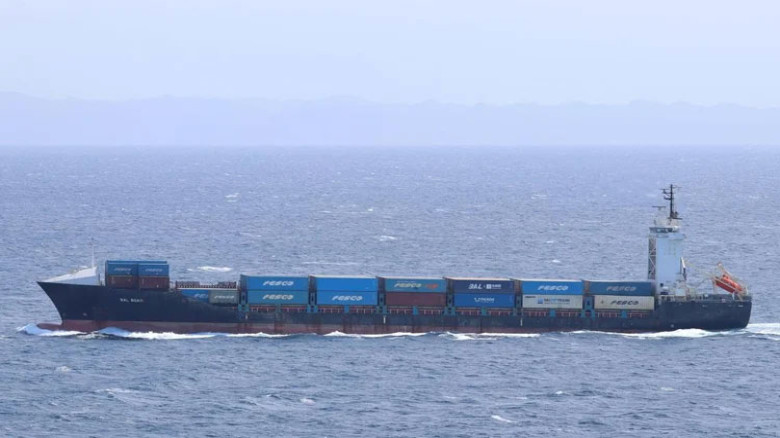
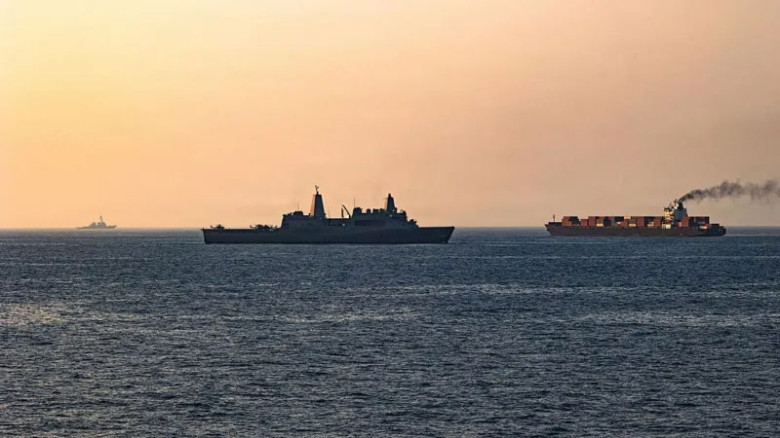
In Washington, President Donald Trump said the Strait of
Hormuz, the critical channel for much of the world’s oil, is now “totally open”
to shipping. Iran closed the waterway early in the war, sending economic shock
waves across the globe, reports BSS.
“We’re negotiating—we’ll see how that all goes—but we have
two things,” Trump said. “We have an open strait and we have a country that
will never have a nuclear weapon.”
Tehran and Washington signed a memorandum of understanding
last week laying the groundwork for the Switzerland negotiations after nearly
40 days of fighting that were followed by a shaky ceasefire.
The negotiations aim to tackle some of the most
intractable issues that have dogged US-Iranian relations for decades, including
Tehran’s nuclear program.
“The final deal is the house,” Vance said. “We haven’t
built the house, but we’ve laid a successful foundation to get to a good place
for the American people.”
The US Treasury said it was temporarily lifting sanctions
on Iran to allow it to produce, sell and deliver crude oil and related products
through August 21.
Treasury Secretary Scott Bessent cited Tehran’s commitment
to “free and open transit” in the Strait of Hormuz and permission for
International Atomic Energy Agency (IAEA) inspectors to enter Iran as reasons
for pausing the sanctions.
Vance said Tehran had agreed to invite IAEA inspectors “back
to their country,” calling it “a major milestone... and the first step in
permanently denuclearizing” Iran.
Tehran suspended some cooperation and blocked IAEA
inspectors from accessing key nuclear sites bombed by the United States and
Israel in 2025’s 12-day war, and inspectors have not been able to visit Iran
since November.
Vance said Iranian assets had not yet been unfrozen as
part of the deal and that, if they were, they would be used to buy US goods
such as soybeans and would not fund terrorism.
He called it “a classic Trump deal, where if Iranian
assets are ever unfrozen, they’re going to go to make American farmers richer
and to feed the Iranian people.”
Iran’s Foreign Minister Abbas Araghchi, meanwhile, posted
on social media: “Oil and petrochem exports are waived, blockade lifted, some
frozen assets released, and major reconstruction & development plan
launched for Iran.”
US Secretary of State Marco Rubio is due to start a trip
to the United Arab Emirates, Kuwait and Bahrain to discuss the deal and “efforts
to secure full and free safe transit through the Strait of Hormuz,” his
spokesman Tommy Pigott said.
Mediators Pakistan and Qatar said the US and Iranian
negotiators reached agreement on a “roadmap towards reaching a final deal
within 60 days” with technical talks to continue for the rest of the week at
the Swiss resort.
“Encouraging progress has been made,” they said, including
a contact channel set up to “avoid incidents and miscommunication” in the
Strait of Hormuz.