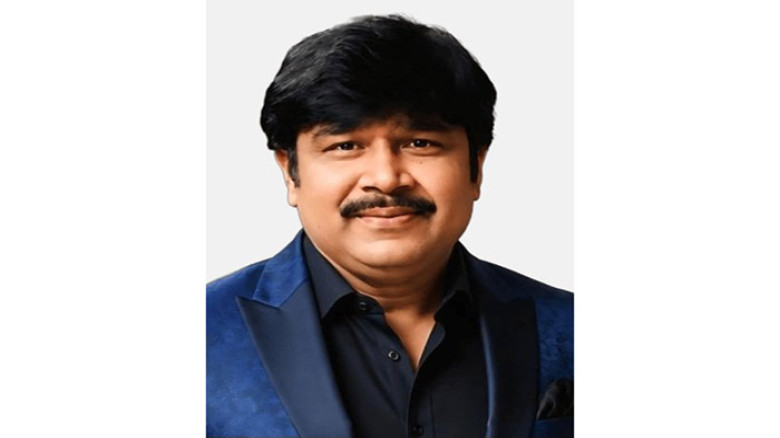
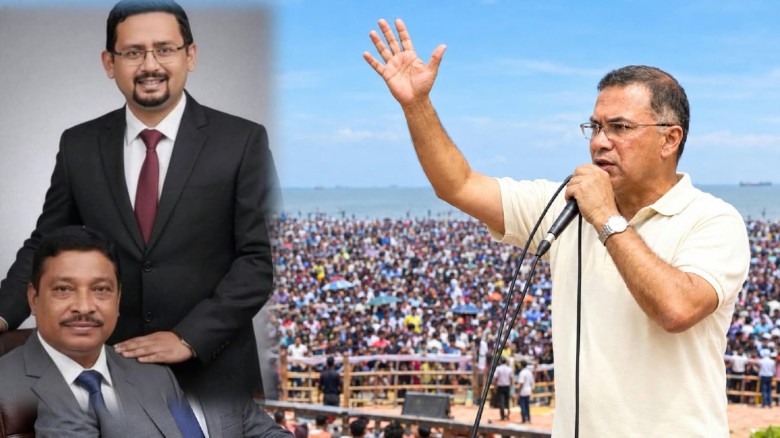

Alhaj Jafrul Islam Chowdhury is a name spoken with deep respect whenever the political history, public service, and development initiatives of Banshkhali, Chattogram, are discussed. As a former State Minister for Environment and Forests, a former Member of Parliament, and a former President of the Chattogram South District BNP, he left an indelible mark through his long and active political career. His political journey was not confined merely to party activities; his identity was deeply rooted in the hopes and aspirations of the people of Banshkhali, regional development, and an unwavering commitment to standing by the common people.
Today, October 14, marks his birthday. Remembering him on this occasion is not simply about paying tribute to a late politician; it is an opportunity to re-evaluate his political life, his engagement with the public, and the vision he left behind for the welfare of the people. The efforts of his son, Mishkatul Islam Chowdhury Pappa, to remain active in political and social spheres—following the path his father charted—have added a new dimension to this legacy.
Alhaj Jafrul Islam Chowdhury was born on October 14, 1950, into a distinguished Muslim family in the Banshkhali Upazila of Chattogram. His experiences during childhood and his academic life inspired his subsequent involvement in social and political activities. He obtained a Bachelor of Commerce (B.Com) degree.
His political career evolved amidst the various shifts in Bangladesh’s political history. Upon joining the Bangladesh Nationalist Party (BNP), he played an active role in organizational activities, party programs, and electoral politics. Over the course of his long political career, his profile expanded from the local level to the national stage.
A politician cannot be judged solely by their titles or positions; true assessment stems from their relationship with the people, their stance on local issues, and the role they play in the public interest. The memories, expectations, and experiences of the people of Banshkhali form a vital part of the narrative surrounding Jafrul Islam Chowdhury’s political life.
Jafrul Islam Chowdhury established a significant position in the parliamentary politics of Banshkhali. He was elected as a Member of Parliament from the Chattogram-16 constituency on multiple occasions. During his tenure as an MP, his contributions to local development, communication infrastructure, educational institutions, and various public service initiatives garnered significant attention.
Following the formation of the BNP-led four-party alliance government in 2001, he was appointed State Minister for Environment and Forests. During his term from 2001 to 2006, he had the opportunity to participate in national-level administrative and policy-making activities.
The responsibilities of the Ministry of Environment and Forests involved critical areas such as conserving the country’s forest resources, maintaining ecological balance, and implementing relevant policies. Through this role, he transcended the confines of local politics and gained recognition at the national level.
Both the successes and limitations of his political career are part of history. However, his long tenure in parliamentary politics and the cabinet underscores the breadth of his political experience and the significance of his involvement in national politics.
Jafrul Islam Chowdhury played a significant role in the organizational politics of the BNP in South Chattogram. He was actively involved in managing party operations while serving as the President of the Chattogram South District BNP and holding various other organizational leadership positions.
Connecting with grassroots activists, fostering local leadership, and implementing party programs are crucial for strengthening a political organization. Throughout his long political journey, he established his organizational standing through these very activities.
Differences of opinion, adversities, and changes are inevitable in politics. However, the experiences of activists who worked with a leader, the recollections of political colleagues, and the assessments of local residents play a vital role in evaluating that leader’s organizational legacy. A proper assessment of the memories and discussions surrounding Jafrul Islam Chowdhury within the political landscape of South Chattogram is also part of that broader context.
Banshkhali is a vast coastal upazila. Key long-standing challenges here include improving communication infrastructure, expanding educational opportunities, ensuring healthcare services, developing the agriculture and fisheries sectors, mitigating damage from cyclones and floods, and uplifting the living standards of marginalized communities. In areas like this, the responsibilities of public representatives extend beyond merely making election pledges; they involve identifying the real problems faced by the people, overseeing the progress of development projects, and ensuring that government services reach the public’s doorstep. Zafrul Islam Chowdhury’s political career is also frequently recalled in discussions regarding the development and public service initiatives in Banshkhali.
The various infrastructure projects, educational and religious institutions, and public welfare initiatives undertaken during his tenure could be evaluated in greater detail by examining specific projects, government records, and the experiences of local residents. Such an analysis would provide a fact-based picture of his contributions to development.
However, the history of Banshkhali’s development is not the result of any single individual’s efforts alone. A region progresses through the collective endeavors of public representatives, the local administration, government agencies, educators, social organizations, and the general public. It is with an acknowledgment of this reality that Zafrul Islam Chowdhury’s contributions should be assessed.
Mishkatul Islam Chowdhury Pappa: Following in His Father’s FootstepsThe name of Mishkatul Islam Chowdhury Pappa is also being discussed as a potential successor to the political legacy of Zafrul Islam Chowdhury. Following his father’s political ideals, he remains active in the politics of the Chattogram South District BNP while striving to maintain connections with the people of Banshkhali and playing a role in public-oriented activities.
While a family background can facilitate the start of a political journey, earning public trust in the long run requires personal competence, integrity, a sense of responsibility, and consistent engagement with the people. His major challenge lies in upholding his father’s legacy with respect while simultaneously earning the public’s confidence through his own actions.
His political journey could become even more meaningful if he plays an effective role in areas such as improving the living standards of the people of Banshkhali, resolving local issues, supporting families affected by disasters, assisting with education and healthcare, and creating employment opportunities for the youth.
Standing by those affected by floods, cyclones, flash floods, or other natural disasters is particularly crucial in the politics of coastal regions. Beyond providing immediate relief—such as food, clean water, medical care, safe shelter, and rehabilitation support—initiatives are also needed to address long-term challenges. Such activities can play a vital role in realizing the commitment to work tirelessly for the welfare of the people.
Therefore, Mishkatul Islam Chowdhury Pappa’s political and social activities should be evaluated not merely based on his family identity, but rather on his grassroots work, his consistent presence among the people, and the initiatives he undertakes in the public interest.
The people of Banshkhali have high expectations. There is a need for improved communication infrastructure in some areas, while expanding healthcare and educational opportunities is urgent in others; elsewhere, the rehabilitation of families affected by disasters remains the most pressing demand. Addressing these issues requires well-planned initiatives, coordination with the administration, public engagement, and accountable leadership.
Prioritizing these needs of the people would serve as a true tribute to the memory of Zafrul Islam Chowdhury. Politicians of the next generation must move forward by drawing lessons from the positive aspects of his political experience and his deep engagement with the public. Prioritizing the welfare of the local people—rising above personal or partisan interests—would be the true embodiment of those lessons.
The true legacy of a public leader is not confined to their family; it extends to their political colleagues, followers, social circles, and the memories and experiences of the people in the region with whom they were long associated.
Alhaj Jafrul Islam Chowdhury passed away on November 8, 2022, at the age of 72. His death plunged his family, political colleagues, and well-wishers into mourning. The recognition he earned over a long political career and his stature in Banshkhali politics established him as a significant figure in local political history.
Human life eventually comes to an end, yet one’s actions, decisions, relationships, and memories leave behind questions and lessons for future generations. In this sense, the life of Jafrul Islam Chowdhury warrants evaluation. Just as it is important to remember his contributions, it is equally essential to conduct a fact-based assessment of the political realities of his time and the collective roles played by various stakeholders in the region’s development.
Today, on his birthday, I remember this veteran politician with deep respect. It is my hope that the next generation of political leaders—including his son, Mishkatul Islam Chowdhury Pappu—will follow a path defined by public welfare, integrity, empathy, and responsibility.
This legacy of public service can be further strengthened through those who work to improve the living standards of the people of Banshkhali, stand by those in distress during disasters, and find effective solutions to the area’s long-standing problems.
In conclusion, I pray to Almighty Allah to forgive the late Alhaj Jafrul Islam Chowdhury, accept his righteous deeds, and grant him a place in Jannatul Firdaus (the highest level of Paradise). Amen.
\Writer Is a Journalist.