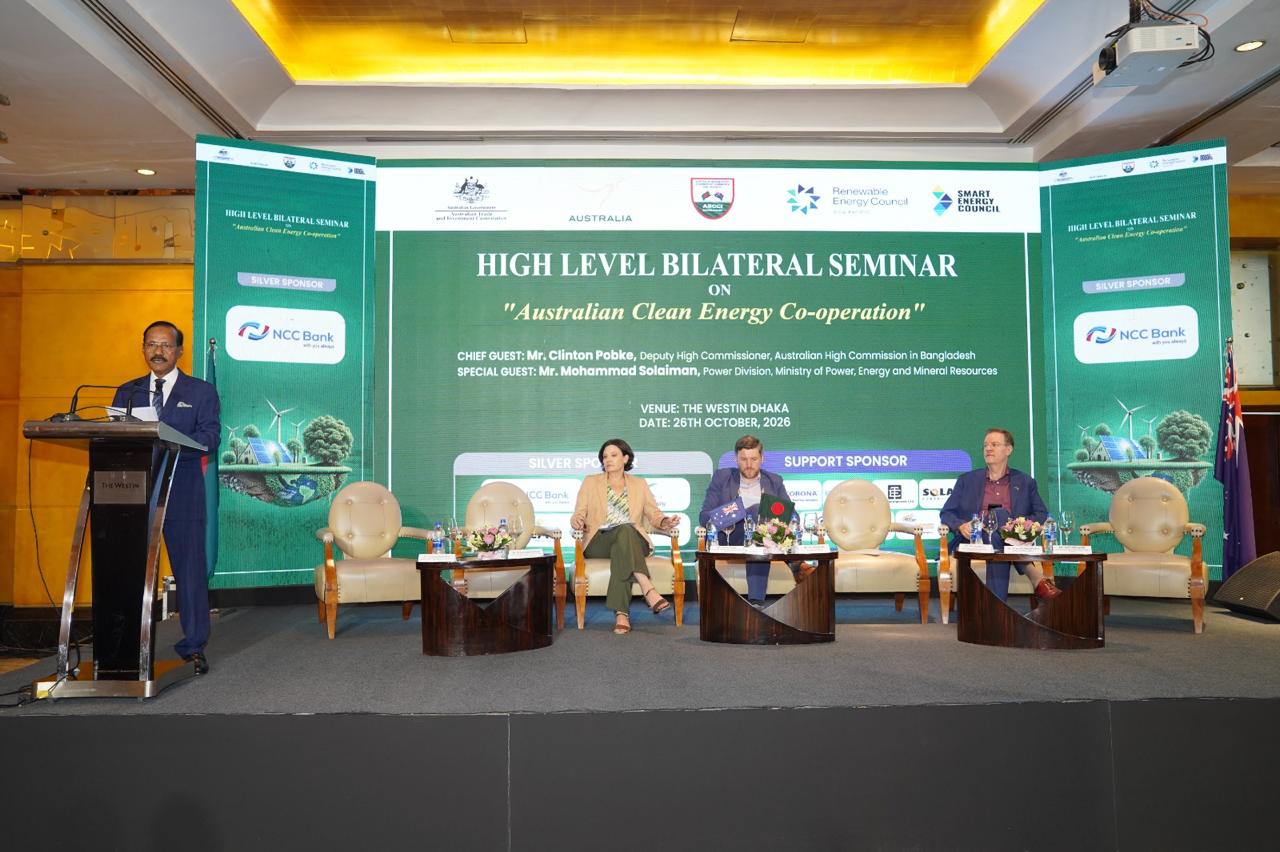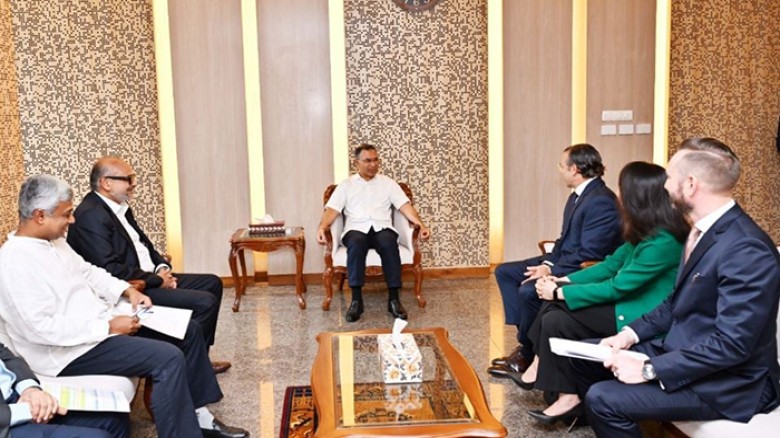


Ashwani Nayar, Area General Manager, IHG Hotels and Resorts
South West Asia, and Cluster General Manager, InterContinental Dhaka and Crowne
Plaza Dhaka Airport, in an interview with Imtiaz Ahmed of Daily Capital Views,
said that Bangladesh’s hospitality industry entering an important phase of
development.
The rest part of the interview is given below
1. How do you assess the outlook for Bangladesh's
hospitality industry in 2026?
I see Bangladesh’s hospitality industry entering an
important phase of development. The market is becoming more diverse, with
demand coming not only from traditional corporate travel but also from meetings
and events, aviation-linked stays, domestic leisure, dining and social
occasions, as well as the growing travel demand from Non-Resident Bangladeshis
(NRBs). Tourism currently contributes
roughly 3% to Bangladesh’s GDP, highlighting significant room for growth. With
stronger infrastructure, connectivity, destination development and investment,
there is potential for the sector to contribute significantly
more—potentially moving towards 7–8%
over the longer term. The new airport terminal can be a game changer in this
journey, improving connectivity and creating new opportunities for hospitality,
MICE and tourism. The opening of new
internationally branded hotels also demonstrates confidence in the market’s
long-term potential. However, sustainable growth will not come from adding
rooms alone. It will depend on consistent service standards, relevant guest
experiences, skilled people and stronger connectivity between hotels and the
destinations around them. Overall, the
outlook is positive, provided the industry grows with discipline and keeps the
guest at the centre of every investment decision.
2. What factors are driving demand for
international-standard hotels in Bangladesh?
Bangladesh has a large and active corporate economy, growing
international business links and an expanding aviation ecosystem. These are
driving demand for reliable accommodation, secure environments, professional
meeting facilities and internationally recognised service standards. At the
same time, domestic guests are becoming increasingly important, seeking quality
dining, weekend experiences, celebrations, wellness and short city breaks. A
modern hotel is therefore no longer simply a place to stay; it is a lifestyle
destination to meet, dine, unwind, celebrate and connect. Looking ahead,
developments such as the United Terminal Complex, bringing hospitality, retail,
commercial and lifestyle experiences together, represent the new face of
Bangladesh’s hospitality and tourism landscape. Crowne Plaza Dhaka Airport
understands these evolving needs and creates relevant, integrated experiences
that will be best positioned for long-term growth.
3. Can Bangladesh build a competitive tourism and
hospitality proposition within South Asia?
Absolutely. Bangladesh has a distinctive story to tell
through its rivers, landscapes, heritage, cuisine, crafts and people. Its
strength is not in replicating another destination, but in offering something
authentic and uniquely its own. Importantly, domestic tourism is already a
significant strength. The growing appetite among Bangladeshis to explore
destinations within the country provides a strong foundation for investment in
hotels, resorts, experiences and tourism infrastructure. Strengthening this domestic base can also
help destinations become more prepared and attractive for international
travellers. To become more competitive
regionally, we need to improve the complete visitor journey— from planning and
arrival to connectivity, reliable information and consistent service standards.
Bangladesh has the raw material; the opportunity now is to connect it through
infrastructure, thoughtful development and confident storytelling to both
domestic and global audiences.
4. What role will skilled human capital play in the sector's
next stage of growth?
People are the foundation of hospitality. A beautiful hotel
can create a setting, but it is the team that creates the experience and gives
a brand its character. Bangladesh has a
young, energetic and adaptable workforce. The opportunity is to provide more
structured education, practical training and clear career progression. Hotels,
hospitality institutes and government bodies can work together on internships,
apprenticeships, vocational programmes and internationally recognised
certification. We must also show young
people that hospitality offers a serious long-term career with opportunities in
operations, culinary arts, technology, commercial leadership and hotel
development. When we invest in people, service standards and guest confidence
improve together.
5. How will the entry of more international and five-star
hotels affect competition and the wider economy?
Healthy competition is good for any developing market. It
encourages hotels to innovate, sharpen their positioning and continuously
improve service. Guests benefit from greater choice, while employees gain wider
exposure and more opportunities for professional development.
The economic impact also extends beyond the hotel itself. A
well-run property creates demand for local food producers, transport providers,
artisans, technology partners, event management companies and many other
suppliers. At the same time, every new hotel must have a clear purpose.
Long-term success will depend on understanding the market and creating a
proposition that is relevant, differentiated and financially sustainable.
6. What factors influence hotel room rates in Bangladesh?
Hotel pricing should always be understood in the context of
the individual market. Rates are influenced by demand, location, room
inventory, operating costs, taxation, imported inputs, brand standards,
security, technology and the level of service and facilities provided. Direct comparisons between cities can
therefore be misleading because every destination has a different cost
structure and balance of supply and demand. The more useful question is whether
the guest receives fair value for the overall experience. As the market expands
and competition grows, hotels will continue to offer a wider range of choices.
Our responsibility is to remain transparent, relevant and focused on delivering
value to our guests, investors and all relevant stakeholders consistently.
7. What lessons can Bangladesh adapt from successful tourism
destinations in Asia?
Successful destinations usually do a few things consistently
well: they make travel
convenient, develop recognizable experiences, maintain
standards and communicate a clear identity over time. Bangladesh can learn from these approaches,
but it should not copy another country's model. The strategy must reflect our
geography, culture, communities and stage of development. What works for an
island destination or a highly urbanized city-state may not be translated
directly here? The most important lesson
is consistency. A destination earns trust when the promise made through
marketing is matched by the experience delivered on the ground.
8. What interventions could create the greatest impact on
Bangladesh's tourism
sector? I would
prioritize five areas: stronger international and domestic connectivity;
coordinated development of destinations beyond Dhaka; investment in hospitality
education and skills; consistent digital promotion; and a clear framework for a
sustainable private-sector including foreign investment. There should also be greater focus on
specific segments where Bangladesh can build a credible proposition, including
business events, cultural tourism, river-based experiences, cuisine, nature and
responsible community tourism. Rather than trying to promote everything at
once, we should identify a few strong experiences, develop them well and build
confidence step by step.
9. What gives you confidence about the future of hospitality
in Bangladesh?
What gives me the greatest confidence is the energy of the
people. Bangladesh is entrepreneurial, resilient and deeply hospitable. There
is also a growing desire among businesses and consumers to engage with
international standards while remaining
connected to local culture. The future of hospitality here
is not only about buildings or brands. It is about creating opportunities for
people, strengthening local supply chains and presenting Bangladesh to visitors
with confidence. If the public and
private sectors continue to collaborate and we invest consistently in talent
and guest experience, hospitality can make a meaningful contribution to
employment, investment and the country's international image. Suggested Closing Statement Bangladesh does
not need to replicate another destination. It needs to present its own
strengths with confidence - its culture, cuisine, landscapes and, above all,
the warmth of its people. If we invest in people and work with a shared vision,
hospitality can become an increasingly important contributor to the country's
economy and global image