
Non-communicable diseases, commonly known as NCDs or lifestyle-related diseases, have become one of the gravest public-health challenges of the modern world.
Diabetes, hypertension, heart disease, stroke, obesity, fatty liver disease, chronic kidney disease, polycystic ovary syndrome and hormonal disorders now affect millions of people. Their prevalence has become so widespread that illness and death from these conditions are often regarded as an unavoidable part of life, a press release said.
Unlike infectious diseases, NCDs do not spread from one person to another and are not caused directly by bacteria or viruses. They usually develop gradually through a complex interaction of genetic, environmental, metabolic and behavioural factors.
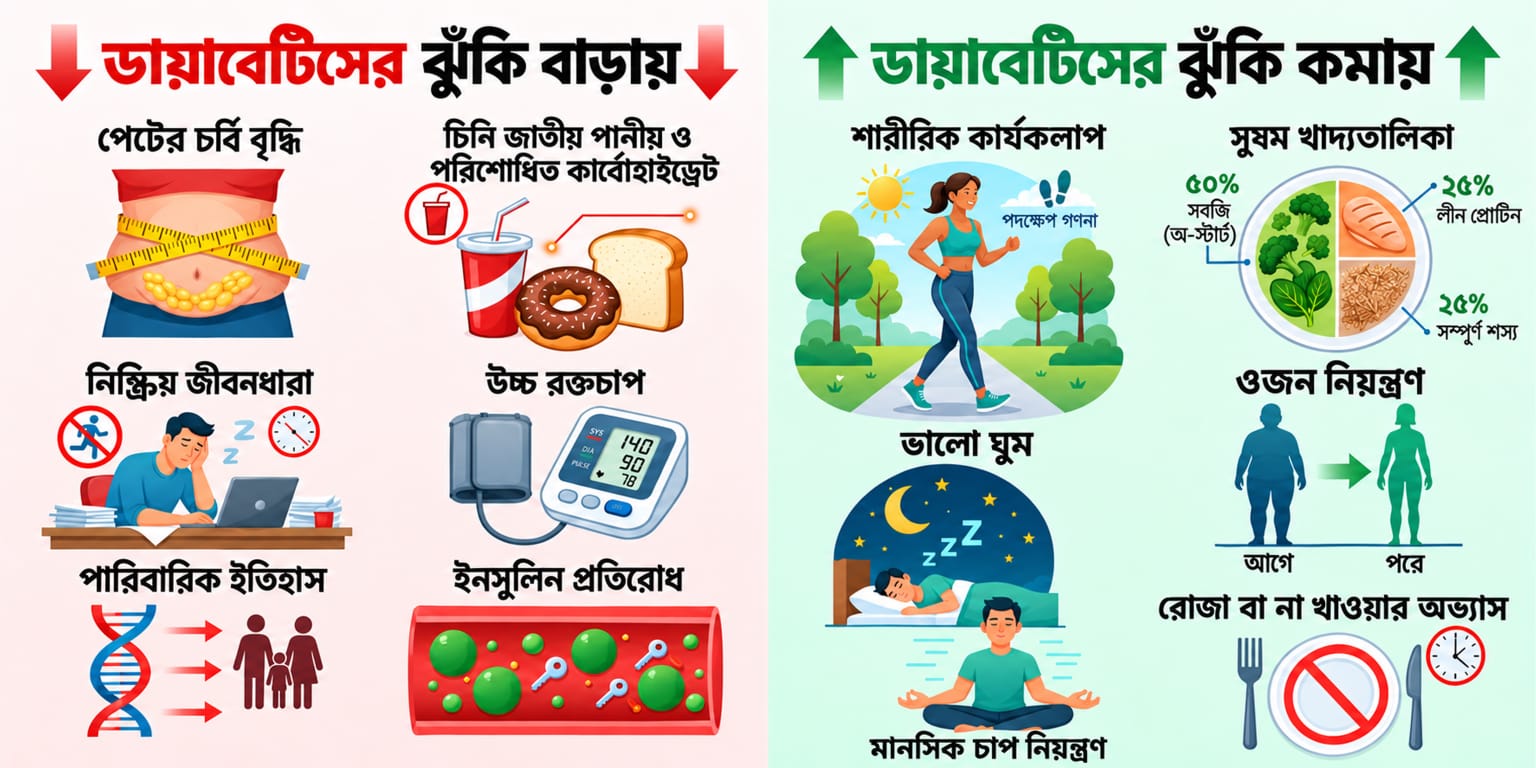
Unhealthy diets, excessive or frequent eating, physical inactivity, inadequate sleep and chronic stress are among the major risk factors. Over time, these habits can impair the body’s metabolic functions and increase the likelihood of developing multiple health complications.
Findings from the Institute for Health Metrics and Evaluation’s Global Burden of Disease 2023 study indicate that NCDs, including diabetes, cardiovascular disease and stroke, account for nearly two-thirds of deaths and disabilities worldwide.
Bangladesh faces a similarly alarming situation, with NCDs reportedly responsible for approximately 67 percent of all deaths in the country.
An icddr,b study estimated that around 7.1 million people in Bangladesh were living with diabetes in 2015. Another 3.7 million were believed to have the condition without being diagnosed. Approximately 129,000 people reportedly died from diabetes-related causes that year.
The burden extends far beyond diabetes. Hypertension, heart disease, stroke, obesity, fatty liver disease, chronic kidney disease, PCOS, osteoporosis, osteoarthritis and Alzheimer’s disease are also affecting a growing section of the population.
One of the major concerns surrounding NCDs is that many of them progress without producing noticeable symptoms during their early stages. By the time they are detected, they may already have damaged vital organs and significantly increased the risk of heart attack, stroke, kidney failure, loss of vision or neurological complications.
Insulin resistance is an important metabolic risk factor associated with several NCDs.
Insulin is a hormone that helps glucose move from the bloodstream into the body’s cells, where it is used to produce energy. When glucose and insulin levels remain elevated for prolonged periods, the cells may gradually become less responsive to insulin. This condition is known as insulin resistance.
Insulin resistance is linked with type 2 diabetes, obesity, fatty liver disease, PCOS and several cardiovascular risk factors. However, health experts emphasise that NCDs have multiple causes and cannot be attributed to insulin resistance alone.
High consumption of sugary, processed and packaged foods, overeating, insufficient physical activity, inadequate sleep and chronic stress may all contribute to metabolic dysfunction and insulin resistance.
The risks, however, can often be reduced through timely intervention and sustained lifestyle changes.
Adopting a balanced diet based on minimally processed foods, limiting added sugar, maintaining appropriate meal portions and avoiding unnecessary snacking may help improve metabolic health. Regular physical activity can also increase insulin sensitivity and reduce the risk of several chronic diseases.
Health experts generally recommend incorporating regular walking, strength-building activities and other forms of exercise into daily life according to an individual’s age and physical condition.
Adequate sleep is equally important. A consistent sleep routine allows the body to regulate hormones, recover from daily stress and maintain essential physiological functions. Stress-management practices, including meditation, breathing exercises, yoga and other relaxing activities, may also support physical and mental well-being.
Some people adopt structured fasting or longer intervals between meals as part of their lifestyle. Such practices, however, may not be suitable for everyone. People with diabetes, chronic illnesses or other medical conditions should seek professional advice before making major dietary changes or beginning a fasting routine.
On this matter, Md Ariful Islam, deputy managing director of JKLifestyle Ltd, said, lasting improvements in health require consistent changes in daily behaviour.
“Positive changes in everyday habits are essential for reducing the risk of non-communicable diseases and maintaining a healthier life. A balanced diet, regular physical activity, adequate sleep and mental well-being can play important roles in improving metabolic health,” He added.
“Good health is not the outcome of a one-time effort. It requires consistent practice, informed choices and appropriate professional guidance to build a sustainable lifestyle.”
JK Lifestyle works to support individuals in developing structured routines centred on nutrition, sleep, physical activity and mental well-being. The organisation maintains that prevention and early intervention should receive greater attention alongside necessary medical treatment.
Long-term change does not happen overnight. It begins with small but consistent improvements in everyday life.
Greater public awareness, early screening, responsible medical guidance and healthier daily habits will be crucial to reducing Bangladesh’s growing NCD burden and securing a healthier future for the next generation.