

The Bangladesh University Grants Commission (UGC) is formulating a uniform anti-plagiarism policy for public and private universities in the country to ensure ethics, originality and accountability in education and research, a press release said.
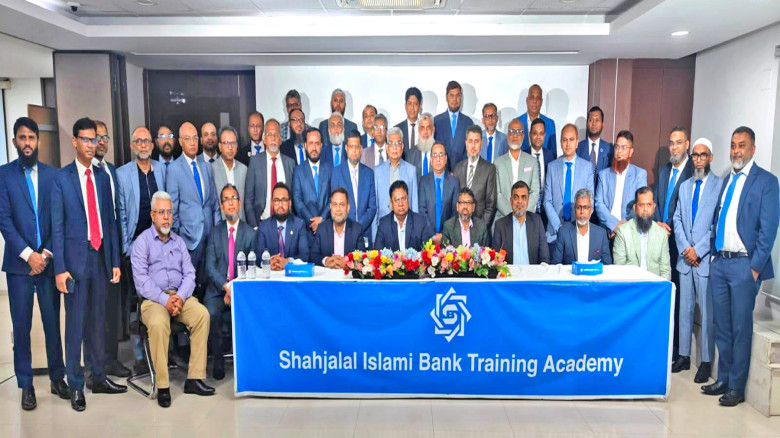
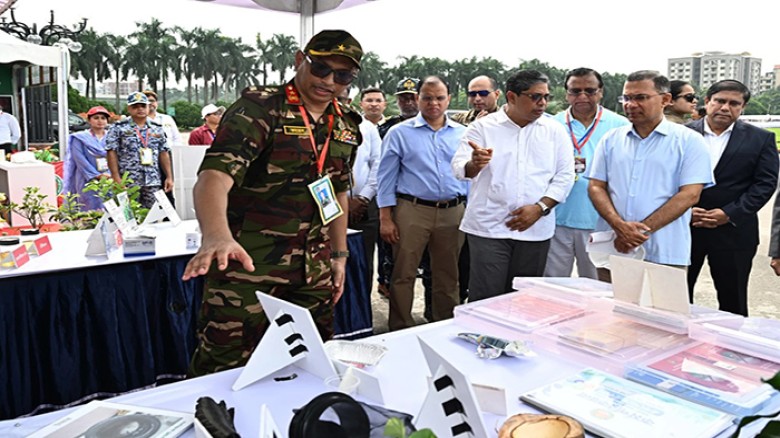
As part of finalizing the draft policy, the commission held a stakeholder dialogue with the vice-chancellors and nominated representatives of 18 public and private universities in the country. UGC Chairman Professor Dr. Mamun Ahmed was present as the chief guest at the inaugural ceremony of the dialogue organized at the UGC Bhaban on Sunday (September 6).
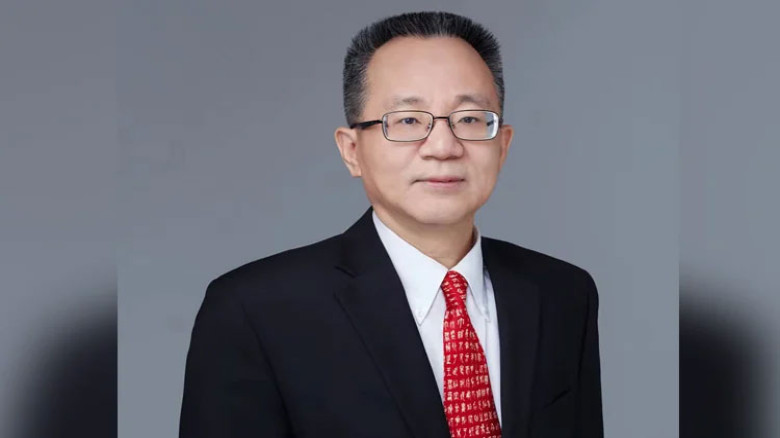
In his speech as the chief guest, the UGC Chairman said that although policies to prevent plagiarism in education and research have been followed in some universities of the country for a long time, many universities do not have any specific policy in this regard. In this reality, an initiative has been taken to formulate a uniform framework for all universities in the country.
He said, “Universities can follow this framework directly if they want. They can also formulate separate policies based on this framework in line with their own needs, institutional capacity and reality. In this case, the academic independence of universities will be maintained.”
Mentioning that various workshops and seminars were organized by the UGC before formulating the policy, Professor Dr. Mamun Ahmed said that the opinions and recommendations received from these workshops and seminars, as well as important suggestions raised in dialogue with the Vice-Chancellor and university representatives, will be included in the draft policy. After necessary amendments and refinements, the policy will be presented and finalized in the plenary meeting of the commission. After that, it will be sent to all universities in the country for implementation.
In his speech as the chairman, UGC member Professor Dr. Machuma Habib said that ensuring ethics in education and research is very important. Plagiarism not only damages the originality and quality of research, but also puts the international acceptance of the country’s higher education and research at risk.
He said that at least 325 research papers involving Bangladeshi researchers have been withdrawn from various international journals from 2019 to 2026 due to various reasons including violation of research ethics. This situation has further highlighted the need to ensure ethics, integrity and accountability in research.
Noting that different policies and procedures are currently being followed in different universities of the country to prevent plagiarism, Professor Machuma Habib said that if there is a common framework, it will be easier to ensure the ethics, originality and international standards of research. At the same time, it will play an important role in improving the quality environment of research at the university level and building a research-oriented nation.
The stakeholder dialogue discussed in detail various issues including the background and purpose of the proposed policy, types and definitions of plagiarism, identification of plagiarism, raising and investigating complaints, determining liability, settling complaints, punishment provisions and appeals. At this time, the participants suggested that the policy should include ethics, transparency and ensuring proper recognition in the use of artificial intelligence (AI) in research and academic work.
UGC members Professor Md. Mehedi Hasan Khan, Professor Dr. Md. Aslam Hossain and Professor Dr. Niaz Ahmed Chowdhury were present as special guests at the event.
In addition, UGC Secretary Dr. Md. Fakhrul Islam, Director of Public University Management Department Mohammad Jaminur Rahman, Director of SPQA Department Durga Rani Sarkar and Director of Private University Management Department Mosa. Jasmine Parveen, along with relevant officials of the commission, were present.
UGC Deputy Director of the relevant department Mohammad Monir Ullah and Assistant Director Md. Mostaq Ahmed highlighted various aspects of the draft anti-plagiarism policy and its proposed structure at the event.